Organization: Conner Prairie
Role: Experience Integration / Client-Side Project Management
Completed: 2026
Status: Built
Key Contributions: Experience Integration | Vendor Procurement | Project Coordination | Construction Coordination | Creative Stewardship
The Opportunity
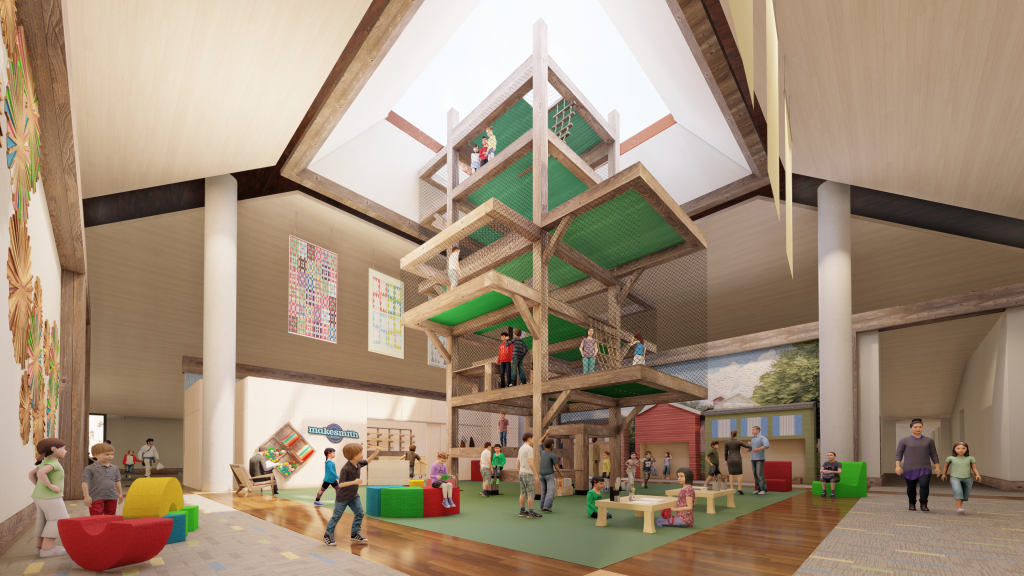
Conner Prairie’s plans for the new Museum Experience Center (MEC) always included a large indoor playscape. As we began exploring what that experience could be, I researched potential vendors and existing approaches, but many of the options felt similar to play environments that could be found elsewhere. We wanted to create something that felt distinctive to Conner Prairie.
Our Director of Education discovered artist Wes Bruce and initiated a conversation with him and his team at The Curious Life. Their approach was unlike anything we had encountered in our earlier research. Rather than designing a traditional indoor playground, they proposed an immersive environment built around exploration, discovery, storytelling, and play.
Selecting a Creative Partner
The scope of the project normally required us to solicit at least three competitive bids. I began seeking proposals from additional vendors, but we were unable to identify another firm offering an approach comparable to what The Curious Life was proposing.
Rather than continue a procurement process that wasn’t producing meaningful alternatives, I prepared a justification for waiving the three-bid requirement. The request was presented to our CEO, CFO, and the chair of the Board Finance Committee and ultimately approved, allowing us to move forward with The Curious Life.
My Role & Approach
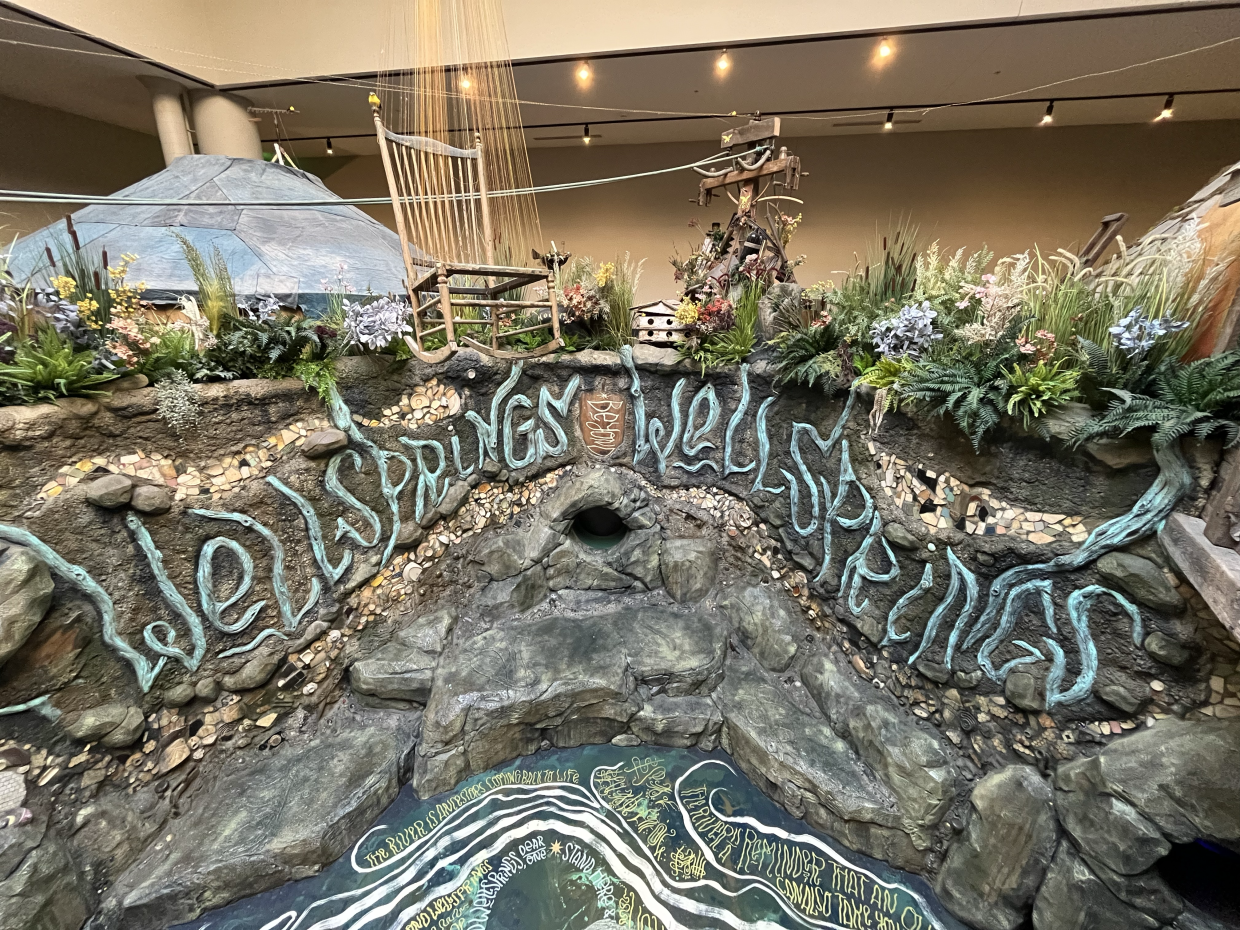
Wellspring was designed entirely by Wes Bruce and his team at The Curious Life. My role was not to direct the design of the installation, but to help integrate their work into the larger Museum Experience Center and the collection of guest experiences being developed within it.
I participated in early design charrettes and worked regularly with The Curious Life’s project manager as Wellspring moved through construction and installation. This included coordinating around schedule and budget challenges, participating in Wellspring construction meetings, and representing the project’s needs during the larger Owner, Architect, Contractor meetings for the Museum Experience Center.
At the same time, I was involved across the exhibits and experiences being developed throughout the MEC. This meant looking beyond the needs of any one project and considering how the different spaces related to one another, where opportunities existed to create connections between them, and how they would come together as a cohesive guest experience.
Integrating Wellspring into the MEC
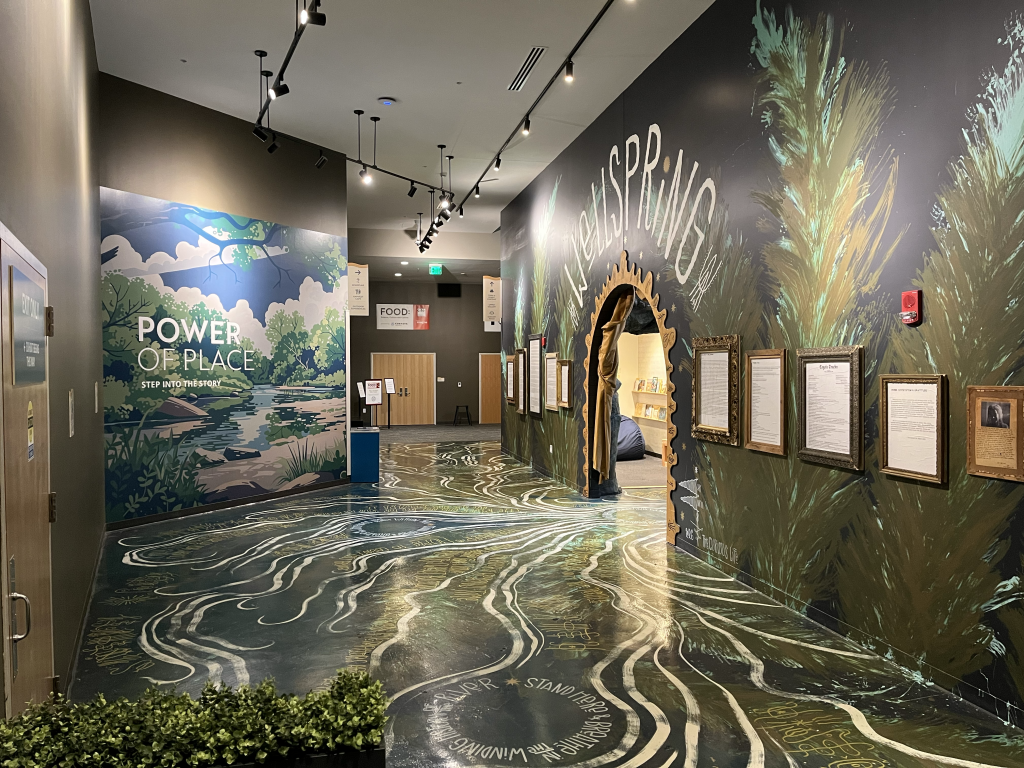
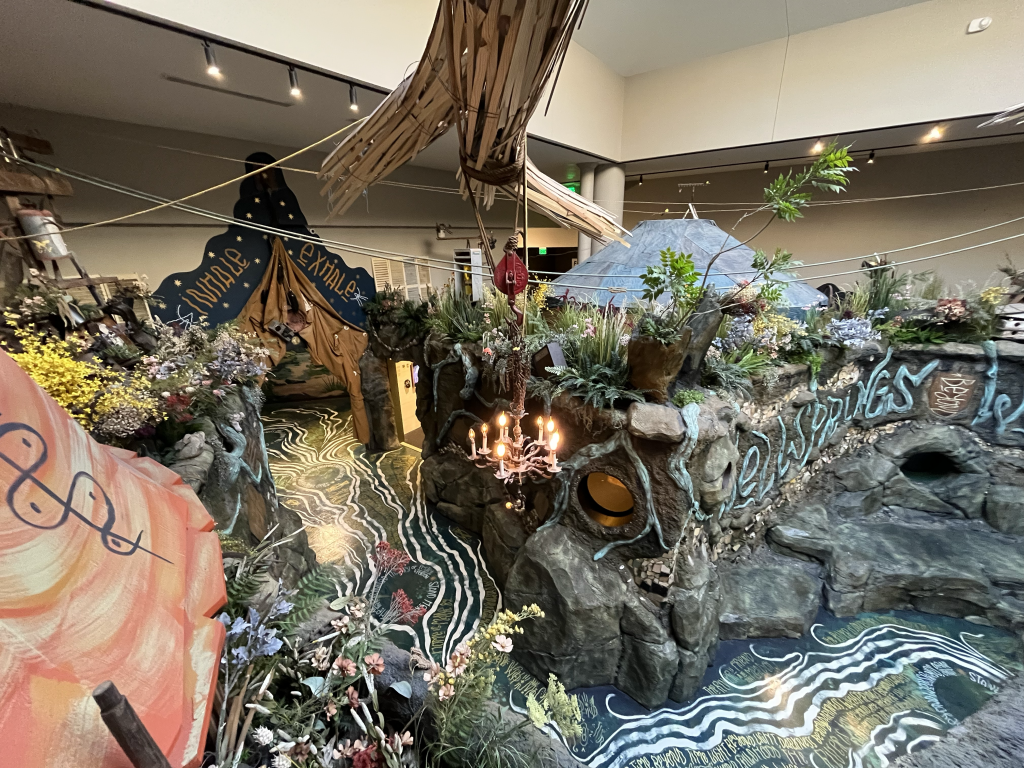
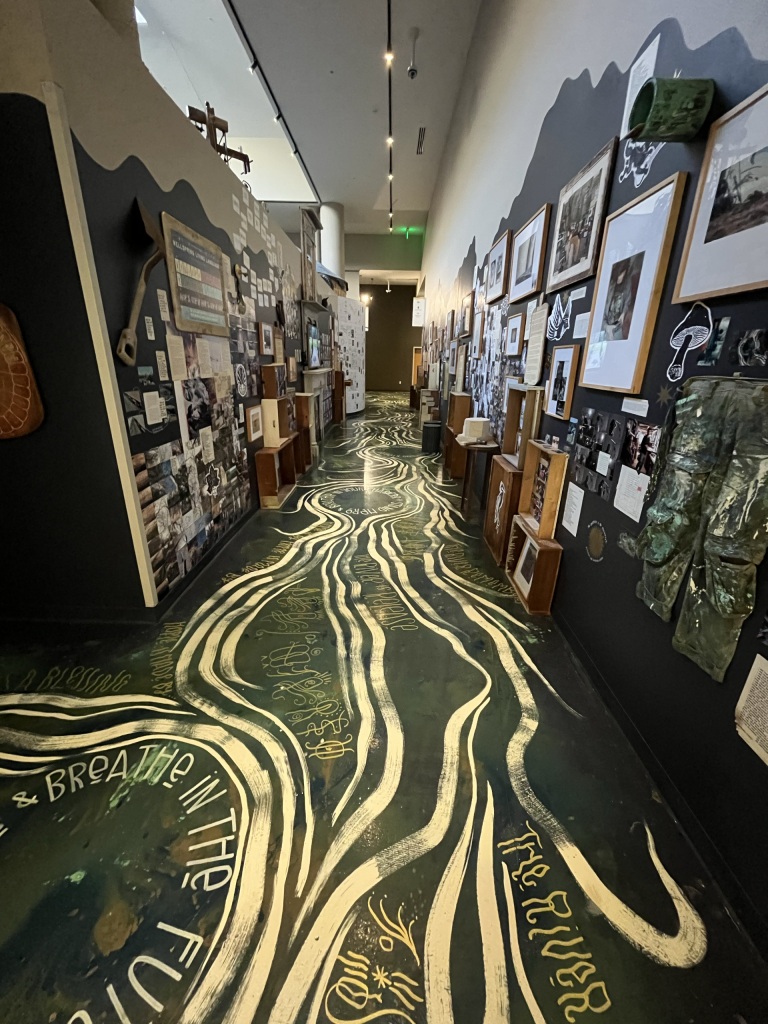
My involvement across the Museum Experience Center also created opportunities to make connections between experiences being developed by different creative teams. Wellspring was further along in development than Power of Place, and its design included a river winding through the environment. As Power of Place developed, we carried that river into the neighboring exhibit, allowing a feature from one experience to continue into another and creating a physical and visual connection between the two spaces.
This helped the individual experiences feel connected to the larger Museum Experience Center rather than existing as completely separate environments.
The Experience
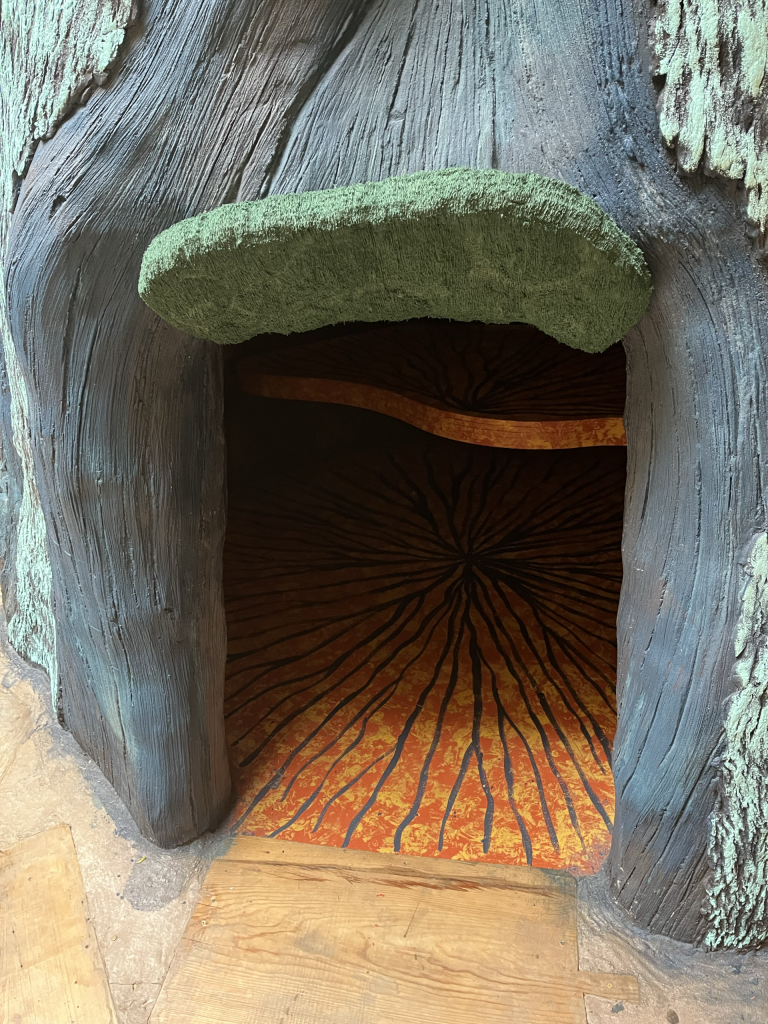
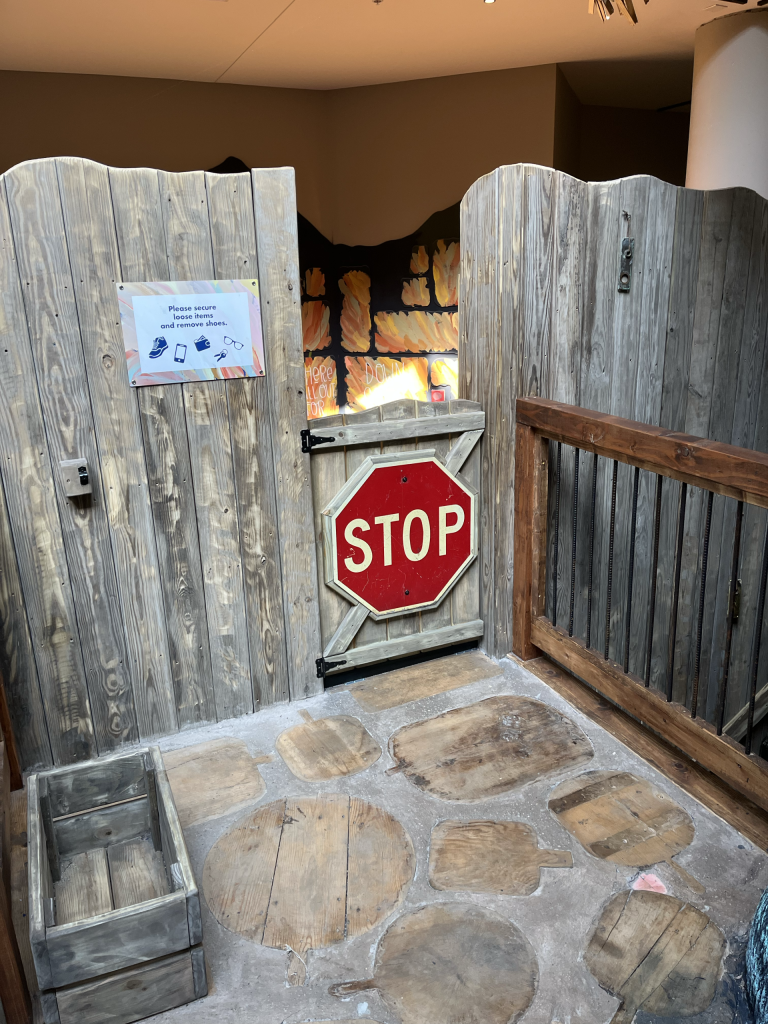
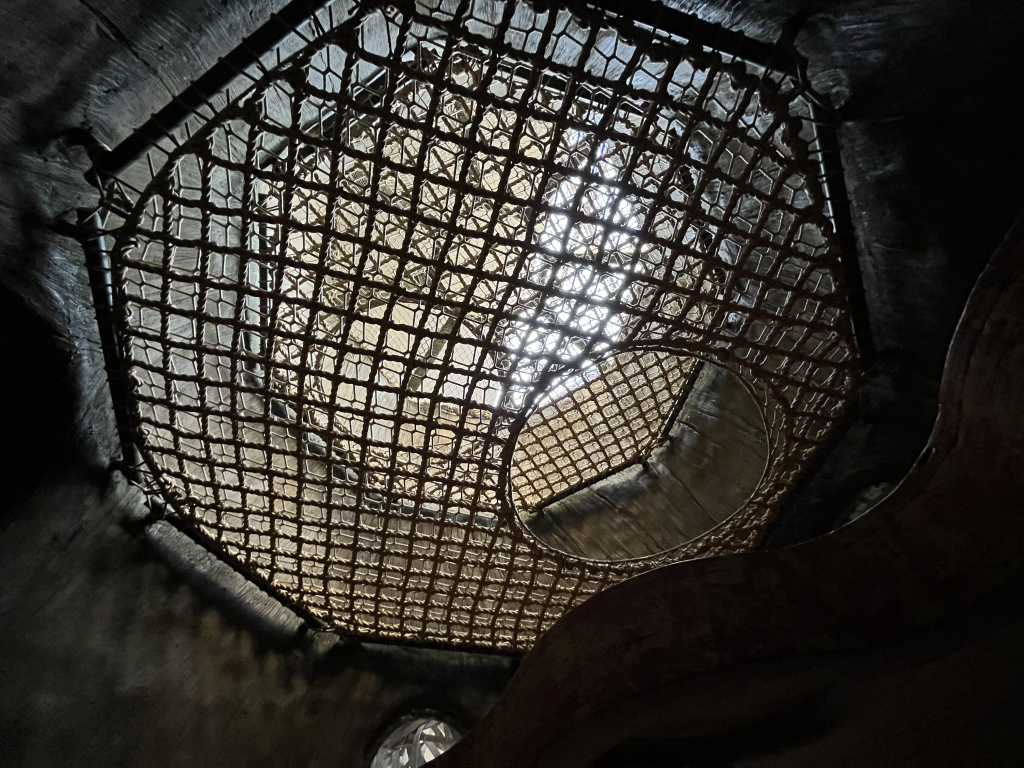
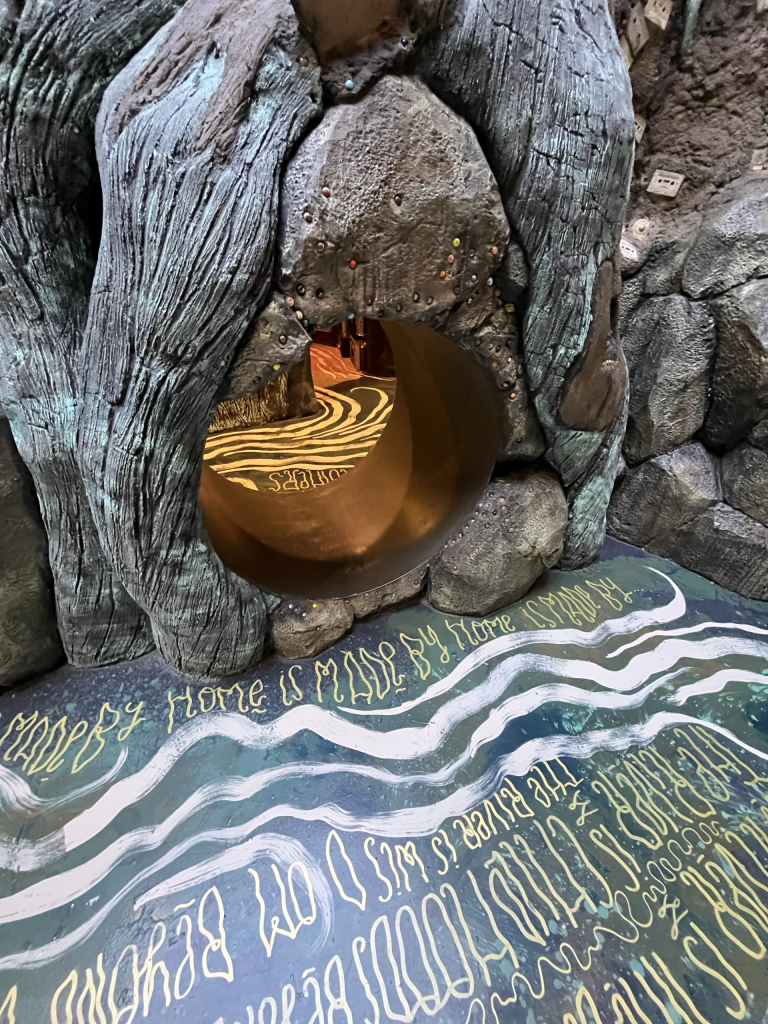
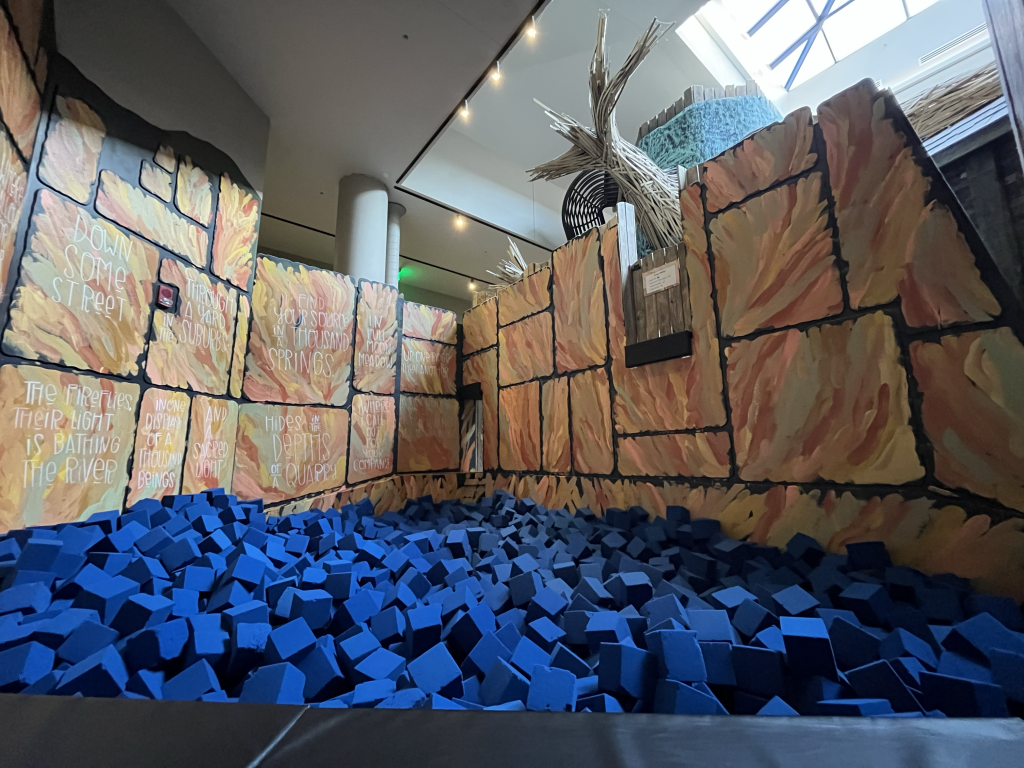
Wellspring is first and foremost a work of art, a three-dimensional installation that guests are invited to enter and explore. There is no single way to experience it. Children can climb through a hollow Sycamore tree, discover hidden passageways and nooks, or jump into a foam pit. Other guests may find a quiet place in the meditation cave, read in the library, or participate in programming in the maker space.
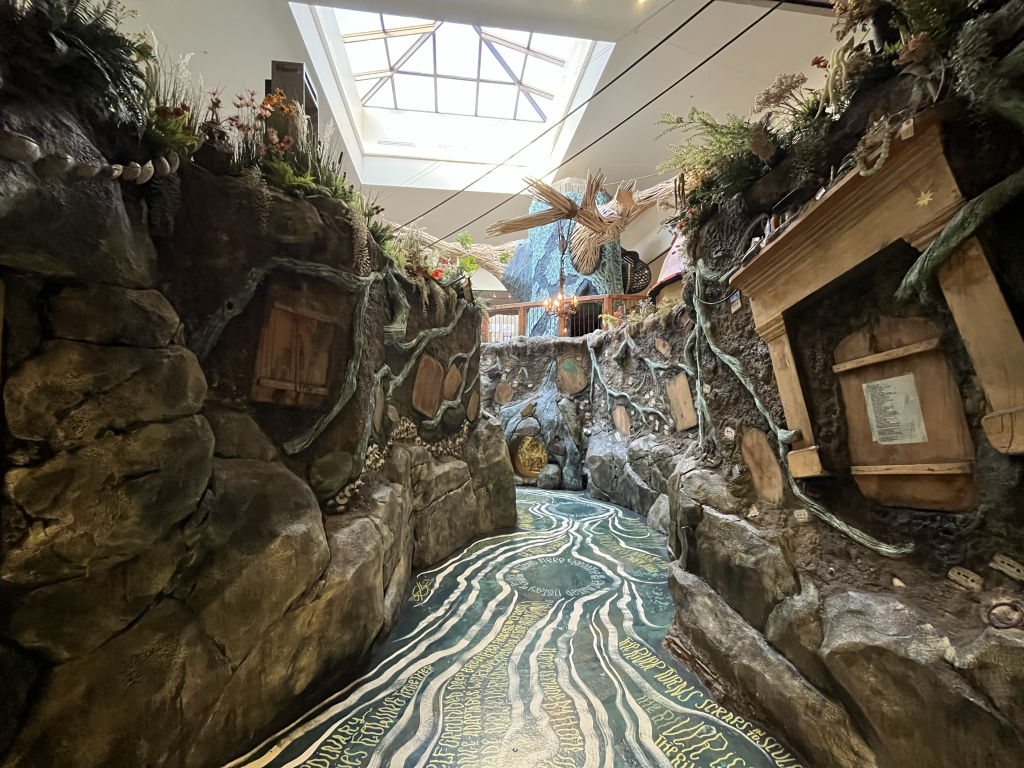
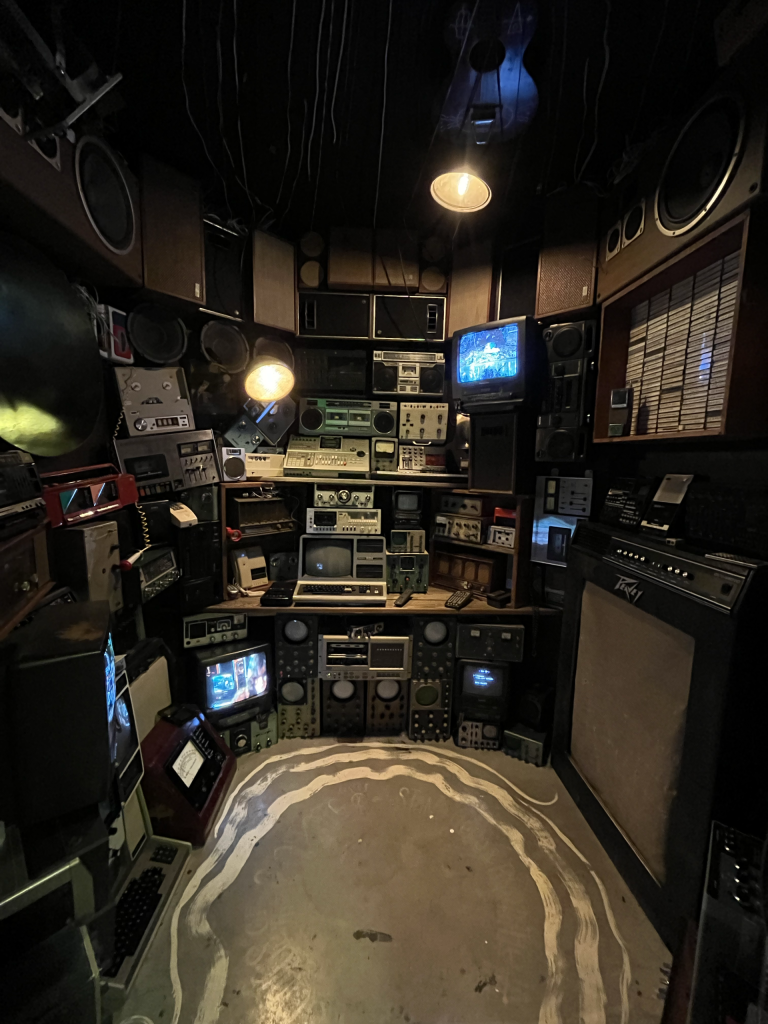
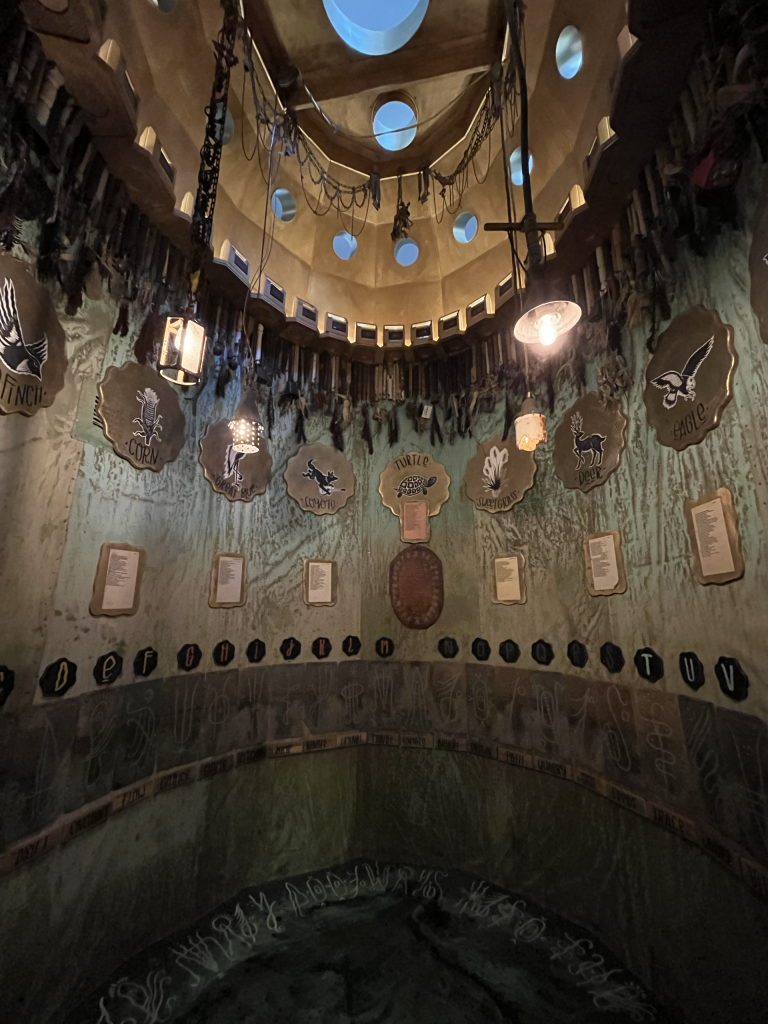
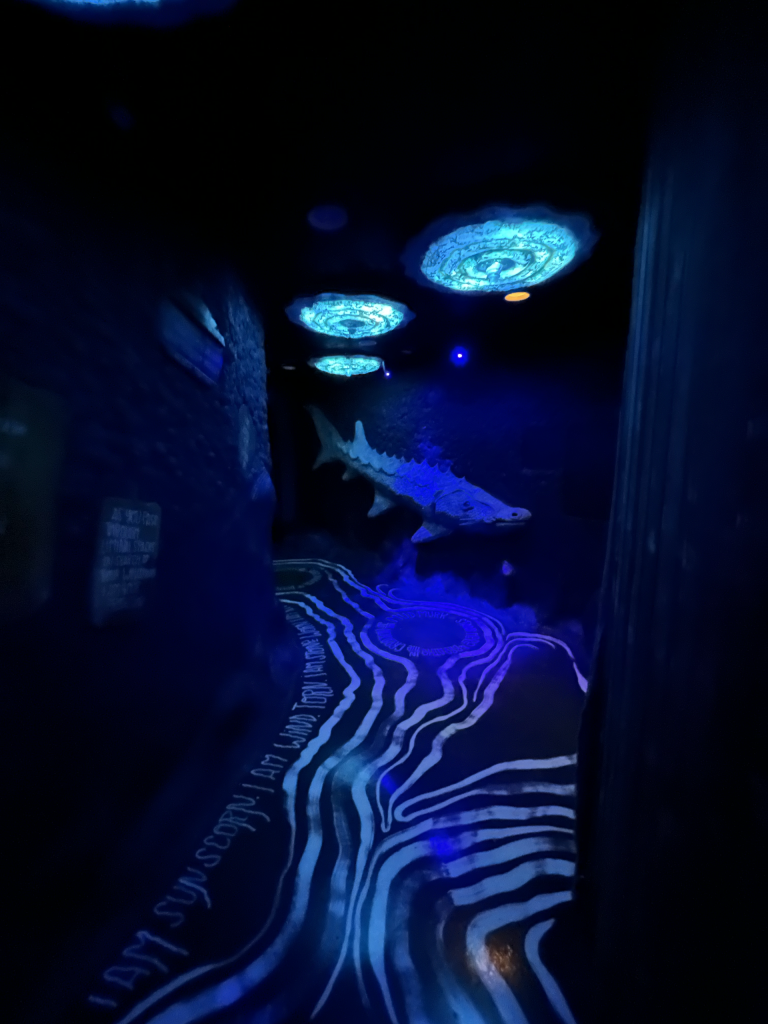
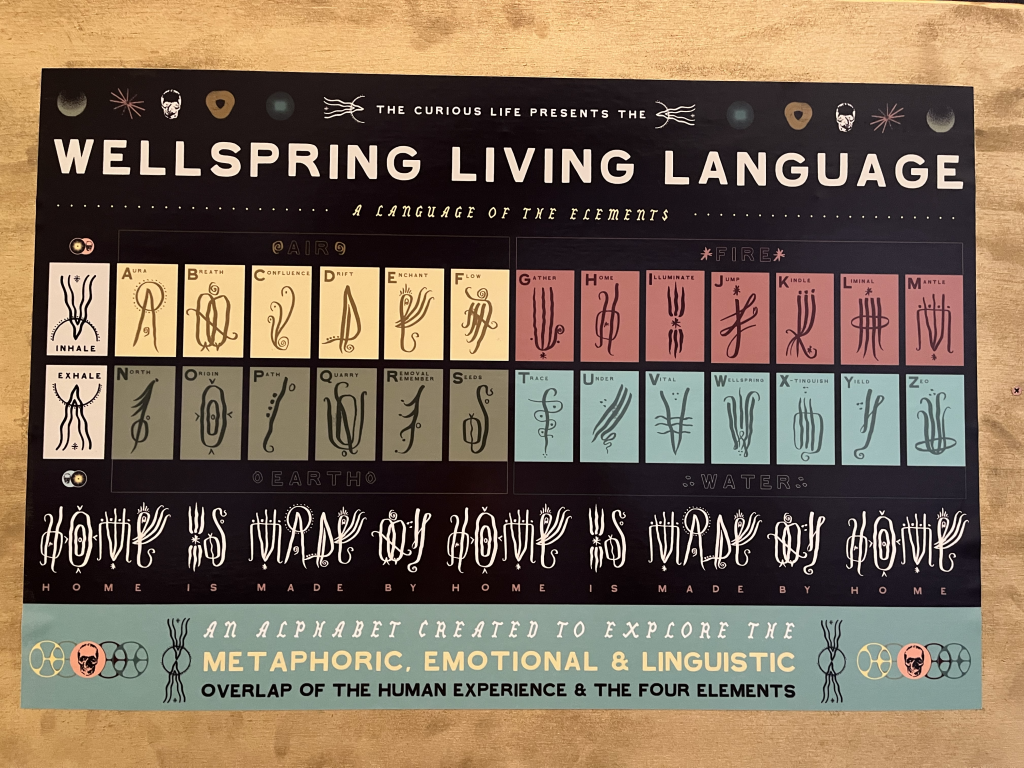
Beneath those experiences is another layer that rewards guests who choose to look more closely. A custom alphabet can be decoded to uncover hidden messages. Thirteen character archetypes have their own stories and roles within the world. Objects embedded in the riverbanks evoke earlier periods of everyday life and can spark conversations across generations, while a film provides additional context for the characters and the place they inhabit.
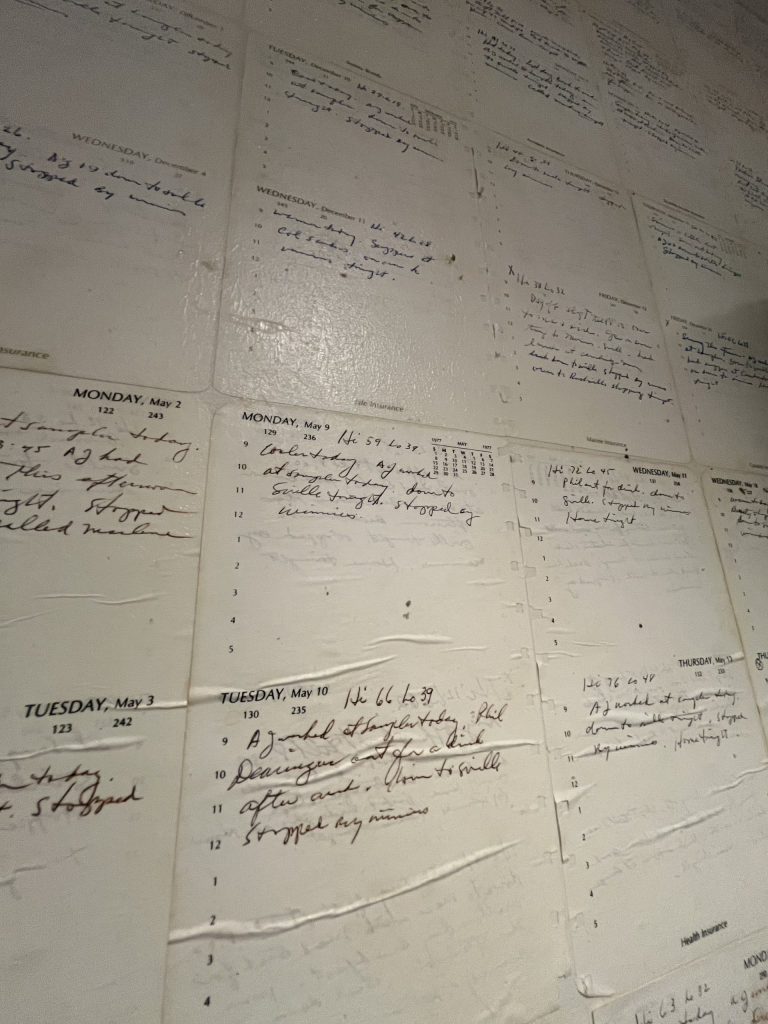
The library adds another layer of real history. Its walls incorporate pages from a journal donated to the project by a Conner Prairie employee. Written by her great uncle during the 1970s and 1980s, the journal offers glimpses into everyday life during that period and becomes part of the environment guests are exploring.
Guests can engage with as much or as little of these layers as they choose. For some, Wellspring is a place to climb and play. For others, it is a world to investigate, filled with mysteries to uncover.
The Story Behind Wellspring
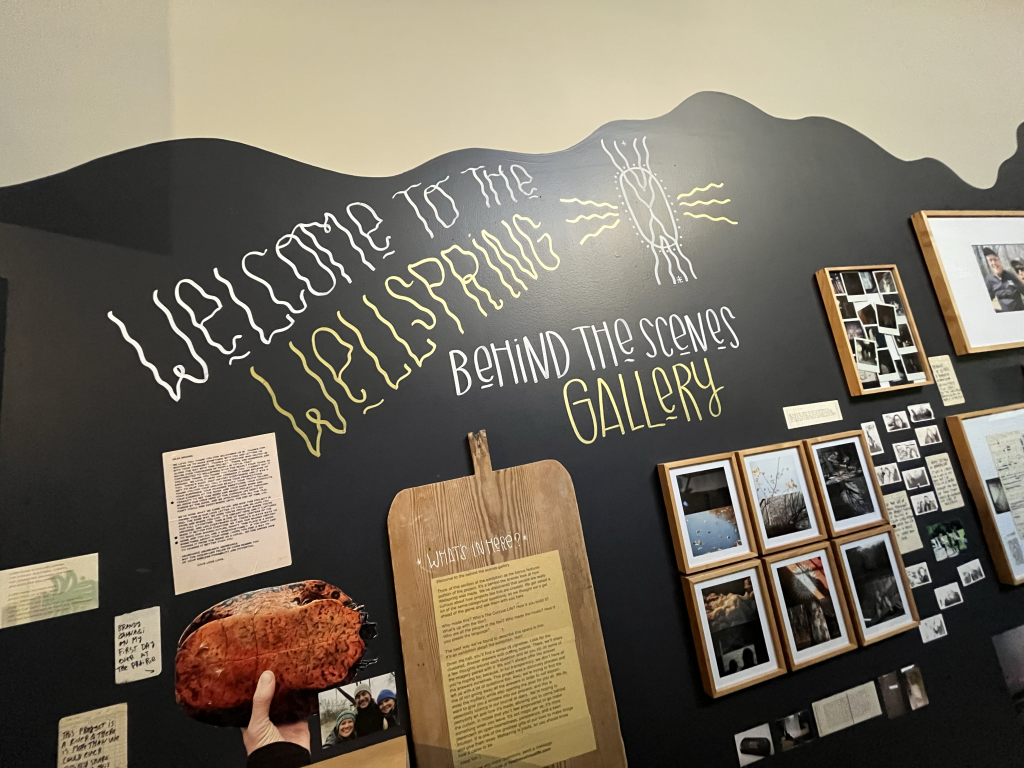
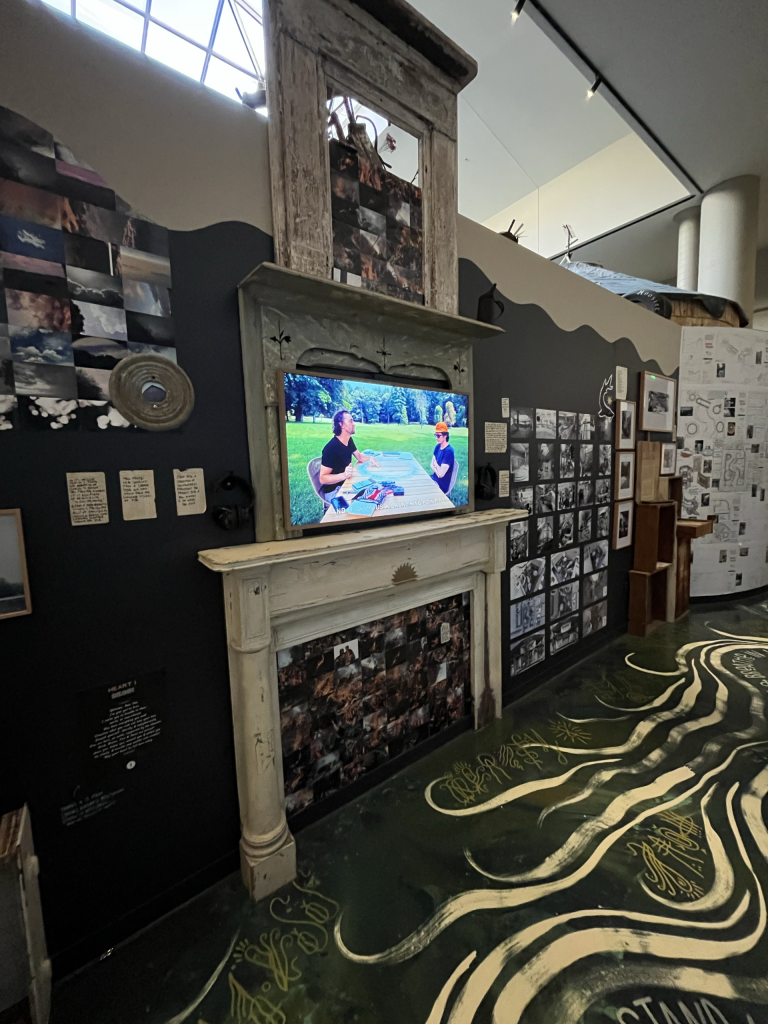
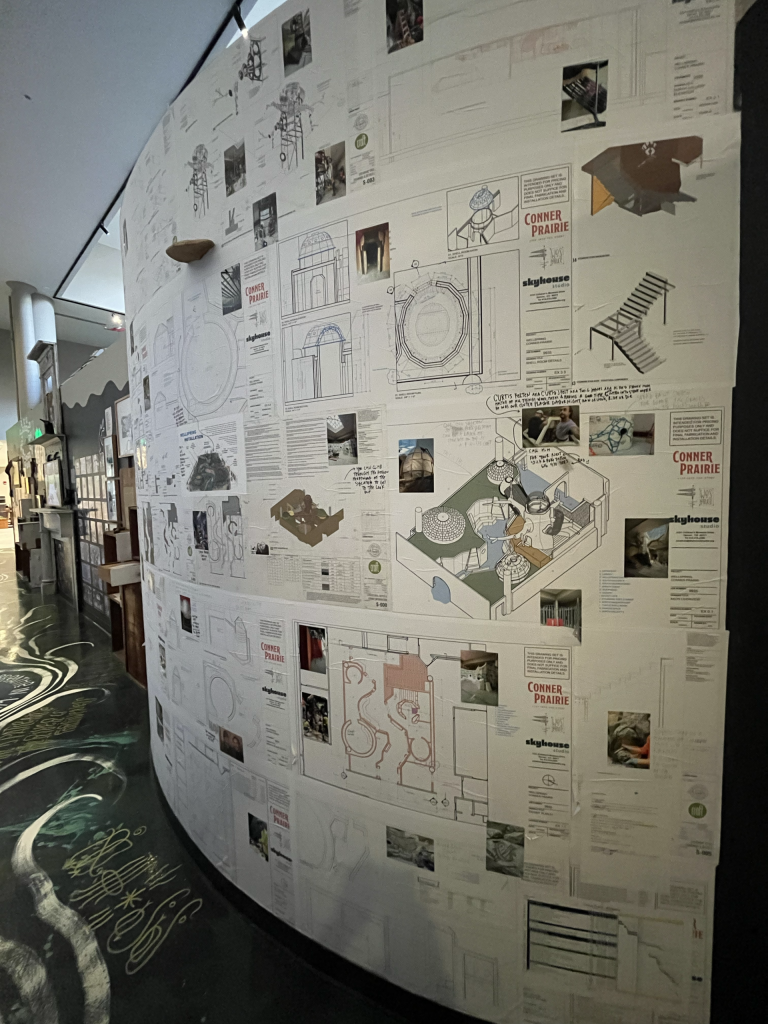
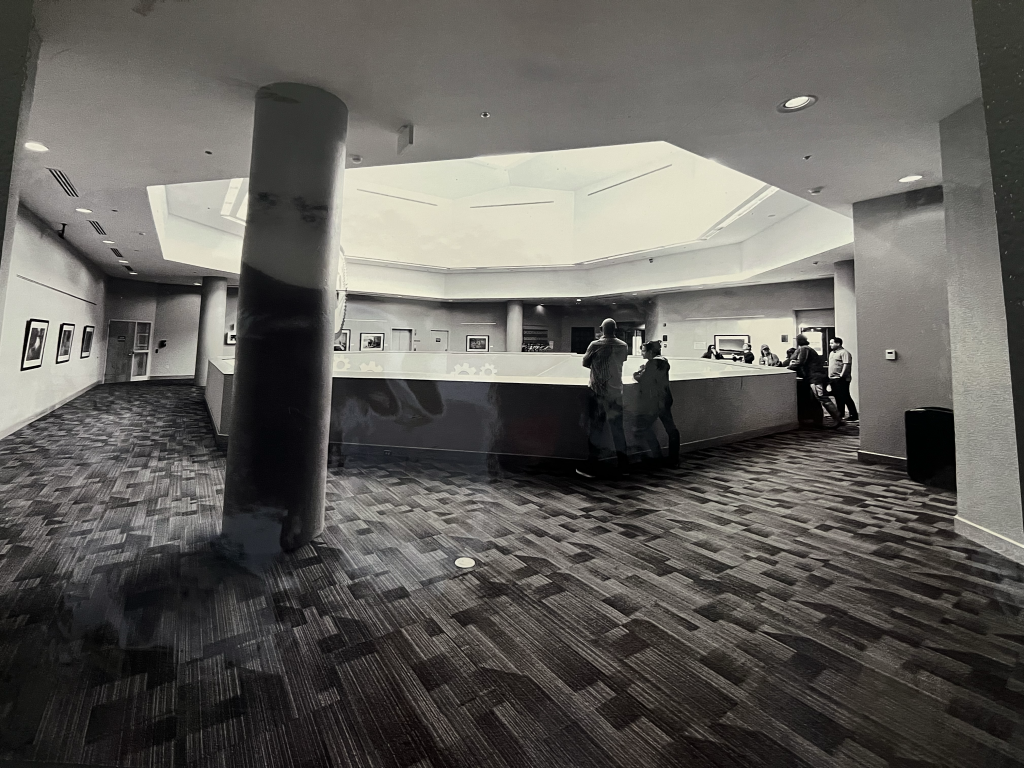
Just beyond the immersive environment, a hallway gives guests another way to explore Wellspring by telling the story of how it was created. Journal entries, photographs, video, renderings, schematic drawings, and physical artifacts document the process from early brainstorming and site visits through design, construction, and installation.
The hallway offers a behind-the-scenes look at the years of collaboration that went into turning the imagined world of Wellspring into a physical place.
Ongoing Stewardship
Our responsibility for Wellspring continued after opening. Because the installation is both a work of art and a highly interactive guest environment, maintenance and modifications have to consider both function and the integrity of the original design.
When additional safety elements were needed after opening, our Exhibits team developed and installed solutions that addressed those needs while matching the materials and artistry of the surrounding environment. The goal was for the additions to feel as though they had always been part of Wellspring.
When Wes later returned to visit Wellspring, I walked him through the modifications we had made. He expressed his appreciation for the care our team had taken to integrate the changes while remaining true to his original vision.